

Arrange the companion ticket when you book your own admission, before paying for a second ordinary ticket. Tell the operator which activity, session and access arrangements you need. A Companion Card booking is a ticketing transaction with specific conditions, not simply a discount code to try at checkout.
The issuing program sets cardholder rules; the venue or ticket seller manages its booking system. Keeping those roles separate helps when a website has no visible companion option or an event is sold by an external promoter. The right person to resolve a seating reservation may be different from the person who can answer a question about your card.
Start with the particular event
Find the operator’s access or ticketing page and establish whether the card is accepted for the session you want. Save the event name and date, not just the building’s name. Our venue directory guide explains the difference between an affiliate listing and confirmation of a particular booking.
Ask who actually issues the ticket. A venue can host an event sold by another organisation, and a third-party booking page may not display the same options as the box office. If the online route is unclear, contact the operator through its published access channel before buying a replacement ticket. Avoid assuming that a refund will be available after the purchase.
Victoria’s booking guidance describes telephone, online and in-person arrangements. It says companion tickets should not carry a booking fee and that a cardholder buying a concession ticket can still receive the applicable companion ticket. Those are useful details to clarify if a checkout appears to charge for both admissions.
Put the essential information in one request
A concise enquiry is easier for a booking team to act on than a long explanation of your medical history. Identify the transaction and the arrangements that affect participation. Share card details only through the operator’s verified booking process, not in a public comment or social media thread.
Booking enquiry you can adapt
I would like to attend [event and session] and hold a current Companion Card. How do I book my admission and the companion ticket together? I need [specific seating or access arrangement]. Please confirm the total price, what each ticket includes, where we will sit and whether I must collect tickets or show the card at a particular entrance.
Check that the reply answers the actual request. “We accept Companion Cards” does not confirm that two adjacent seats have been reserved or that a wheelchair position has been selected. Ask for the booking reference and any access instructions to be recorded against the reservation so a different staff member can find them.
| Before payment | Before arrival |
|---|---|
| The correct session and admission type for both people. | The current card and booking confirmation are available. |
| Any required seating or wheelchair position is reserved. | You know which entrance, collection desk and route to use. |
| The companion ticket price and any other charges are explained. | You have checked changes to the event or essential facilities. |
| The cancellation and change process is understood. | You know the operator’s contact if the arrangement is missing. |
Seating, more than one companion and package inclusions
The Victorian cardholder terms require affiliated operators to locate cardholders physically close to their companions and ask cardholders to raise specific seating requirements when booking. Do this before accepting the reservation. “Same section” may not describe the practical proximity you need.
Explain the functional arrangement rather than leaving staff to infer it. You might need a companion beside you for communication, or sufficient room for them to assist without obstructing an aisle. The operator needs to check available positions and its safety arrangements. A seating plan alone may not show steps, barriers or the route to a toilet.
For packages, distinguish admission from meals, accommodation and other extras. Victorian terms address packages and additional activity components, but they do not make every item in a commercial bundle free. Ask the seller to explain inclusions in writing so that a companion can remain available throughout the activity without an unexpected separate charge or access restriction.
If two people provide necessary assistance, raise this when booking. WA’s terms set a minimum of one companion admission and require arrangements for additional companions to be negotiated. Do not translate a transport operator’s more generous rule into a universal entitlement at every venue.
Check access separately from admission
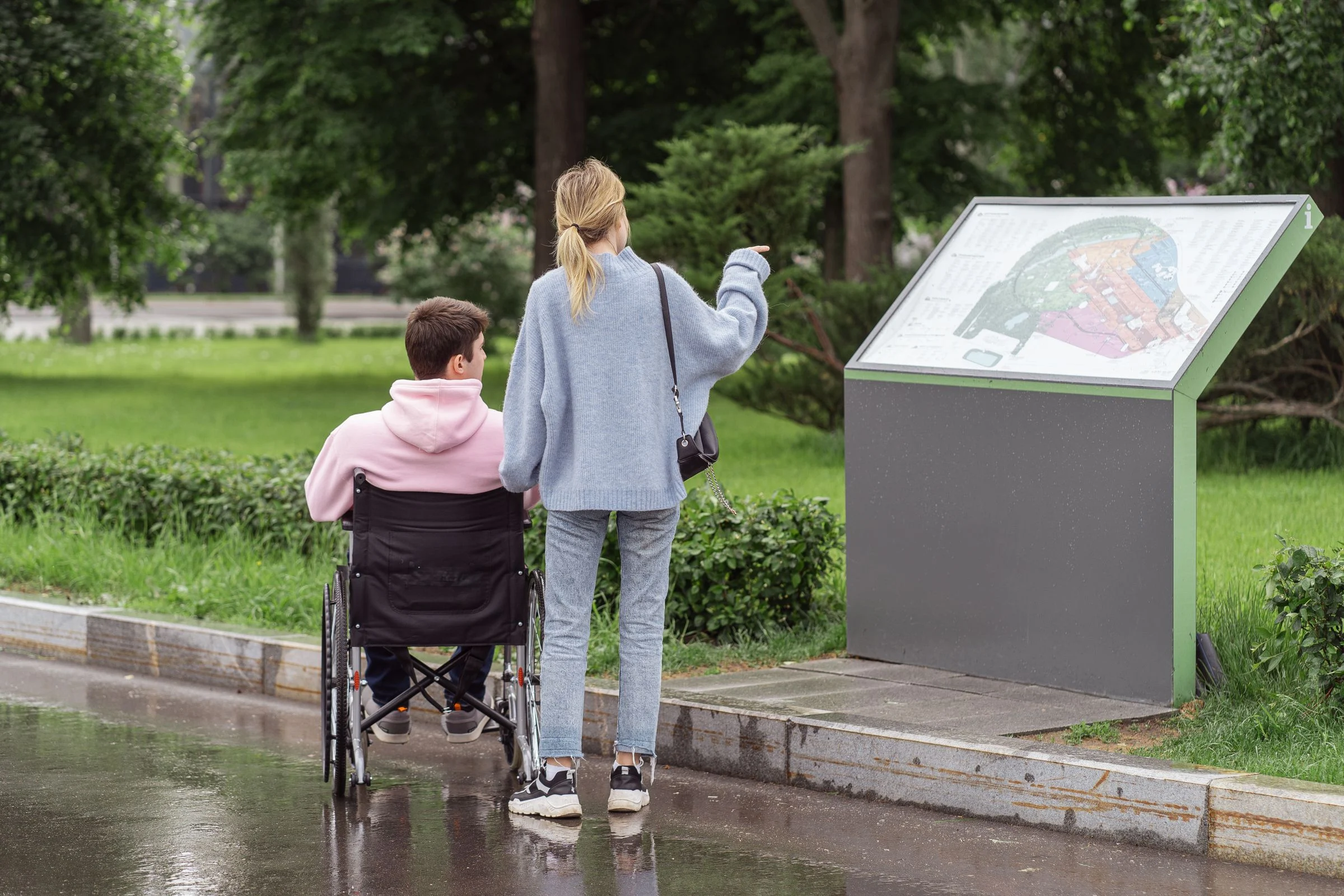
A successful ticket booking does not resolve whether the visit works for you. Follow the whole route: the drop-off or transport stop, entrance, ticket desk, activity, facilities and exit. If one part is uncertain, direct the question to someone who knows that part of the building.
The ACT Government explicitly warns that card acceptance does not establish accessibility. Ask about details such as the entrance used for your session, the location of a suitable toilet or whether captions are available for the particular performance. Our venue access checklist helps turn a general reassurance into an answer you can use.
Be equally specific about a companion’s role. If they are a paid worker, agree on their time, travel and duties with the service provider. The venue ticket does not pay that worker or determine which costs a funding program will meet. Keep the service arrangement and the ticket transaction in separate records.
At the venue
Bring the valid card and follow the operator’s collection instructions. The card identifies its holder; it is not an extra admission that a friend can use independently. The WA program’s practical guidance tells cardholders to carry the card because they may need to present it during the visit.
Allow time to reach the agreed entrance and check the reservation. If something has changed, show the written confirmation and explain which arrangement is essential. A specific statement such as “this booking included an adjacent companion seat” gives staff something to investigate. Avoid moving into an unsuitable space simply because the printed tickets have been issued.
If you change companions between visits, make sure the new person understands the plan and can provide the agreed assistance. The card remains with its holder. For a first visit, our first-outing planner provides a worked sequence for organising the day without repeating the program’s eligibility rules.

If the card is refused or the booking is wrong
Separate an affiliation question from a booking error. Is the operator a current participant? Is the card current and recognisable? Is the cardholder attending? Does the enquiry concern the same event as the original confirmation? Establishing these facts is more useful than immediately assuming either staff or the cardholder is at fault.
Ask the responsible manager or access team to review the booking and keep a record of the date, reference and response. ACT guidance recommends trying the participating operator’s management first, then contacting the program if the problem remains unresolved. For another jurisdiction, use its published contact and complaints process.
Where the concern is discrimination or physical access rather than card administration, the Australian Human Rights Commission explains the Disability Discrimination Act 1992 and related standards. A guide to ticketing cannot determine the legal outcome of an individual dispute. Preserve the evidence and seek advice suited to the issue rather than treating a refused card as proof of every element of a complaint.
Booking questions
Should I buy two full-price tickets and claim one back?
Check the operator’s process before paying. A later refund is not assured simply because you hold a card. Ask how the companion admission should be issued with your booking.
Can I use a concession and a Companion Card together?
Victoria’s published guidance allows the companion ticket alongside a cardholder’s concession ticket. Confirm the admission category and booking process with the operator.
Does the companion ticket include meals?
Do not assume so. Package inclusions need checking with the seller. Establish how the companion will stay available if food or another component is sold separately.
Can my companion attend without me?
No. The cardholder’s presence is required for the companion admission under the published Victorian and WA cardholder terms.
What if there is no companion option online?
Use the operator’s published access booking channel and ask how to reserve both admissions and any required seating. Do not infer non-participation solely from a missing checkout option.
Sources checked on 12 November 2026. Independent editorial guidance by Accessible Australia. Program decisions and current service arrangements remain with the linked official organisations. How we prepare and correct our guides.