
About Accessible Australia
More room for everyday life.
Practical information for getting out, feeling at home and taking part. We help you explore what access can look like in your life, on your terms.
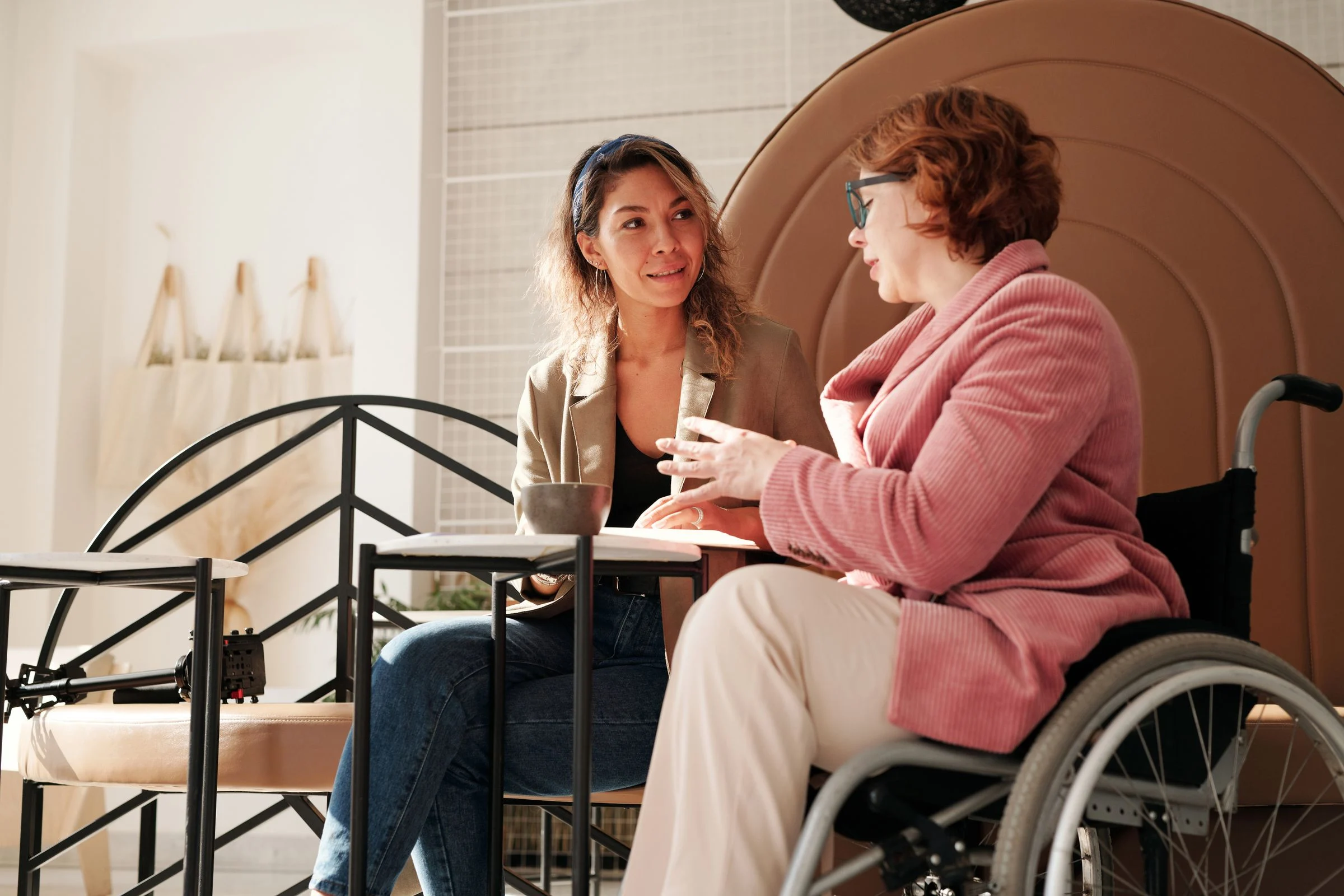
Why this resource exists
Good information opens up possibilities.
A day out. A weekend away. A home that works better for you.
Often, it starts with knowing what to ask. Can you get from the station to the entrance? Does a room have the features you need? How will support fit around your plans?
Accessible Australia brings those practical questions together. Our independent guides help people with disability, families, carers and support people prepare, compare options and find a useful next step.
What you will find here
Find your way in.
Start with what matters to you today. Our guides connect the small details with the bigger picture.
01
Everyday access
Look beyond the label. Explore routes, facilities, communication and the details that shape a visit.
02
Travel & getting away
Connect transport, accommodation and activities into a plan that works for you.
03
Life at home
Think through daily routines, home access and technology around the things you want to do.
04
Support & participation
Prepare for conversations about services, shared routines and support that respects your choices.
05
Companion Card
Understand the program, prepare questions and find your way to official state and territory services.
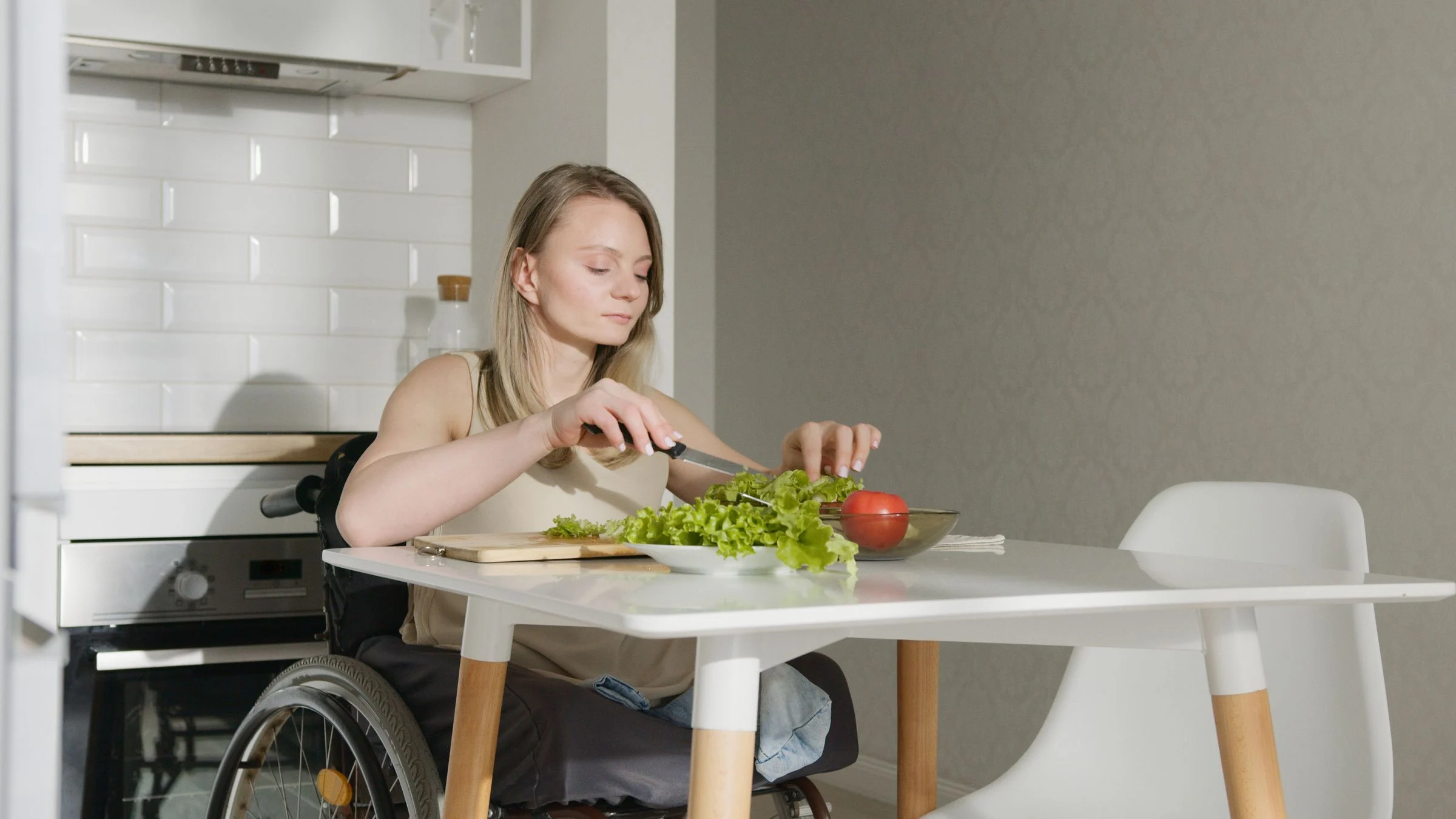
Your life, your priorities
Access is personal.
The same place or service can work differently for different people. Mobility, sensory and communication needs, energy, preferences and the support available all shape an experience.
That is why we focus on specific features and useful questions. Whether you are planning for yourself or alongside someone else, the person taking part should be at the centre of the conversation.
How we approach information
Clear questions.
Useful next steps.
Our guides are a starting point for planning and conversation. Here is what shapes the way we write.
Details before labels
“Accessible” is only useful when you know what it means. We encourage questions about the actual features, arrangements and support you need.
Go to the source
For program rules, applications and eligibility, we point you towards official services. Confirm current details with the program, venue or provider before making plans.
Room for correction
Information can change. If a link is broken, a detail is outdated or something needs explaining more clearly, we welcome a specific correction.
Who publishes these guides
Accessible Australia is the publishing name used for the guides on this website. An Accessible Australia byline identifies the publication; it does not identify a named clinician, government officer or accredited access consultant. We do not claim specialist qualifications or independent expert review for these articles.
Sources and editorial preparation
The November 2026 guide updates were prepared with AI-assisted research and drafting, using linked government, program and operator information for factual claims. The source-check date records when those references were consulted. It is not a certification of a venue, an independent professional review or a promise that a service will remain unchanged.
For program rules, we prioritise the responsible state or territory program. For transport, facilities and booking arrangements, we use the operator’s information. NDIA, Services Australia and other public bodies are linked for decisions within their roles. Where rules differ between jurisdictions, the guide identifies the relevant place rather than presenting one rule as national.
Examples, photographs and limits
Planning examples are labelled as illustrative. They are not interviews, testimonials or accounts of visits we have made. Photographs illustrate the subject unless a caption says otherwise; they do not establish that a pictured room or place meets a particular access requirement. Our guides help readers prepare questions and find official information, rather than assess individual eligibility or prescribe support.
Corrections and updates
A verified public editorial enquiry channel is not yet available. Our contact page explains the current limitation and provides official program pathways. A useful correction identifies the page, the specific detail and a reliable source, but this website currently cannot promise to receive or respond to a submitted correction.
Updated dates describe changes to this website; the source-check note distinguishes the research date from the original publication date. We do not claim a fixed review schedule or continuous monitoring of external services.
Current program instructions take priority over a summary here. For applications, renewals and personal decisions, contact the responsible organisation directly. Read the disclaimer and privacy notice for the scope of this resource and website enquiries.
A clear distinction
An independent
information resource.
You may have arrived here looking for the Companion Card. Our Companion Card guides explain where to start and link to official programs.
Accessible Australia is not a government agency or an official Companion Card service. We do not issue cards, assess eligibility or process applications. For these services, use the relevant state or territory program.
Our articles provide general information, not individual advice or verified access assessments. Read our disclaimer for more detail.
Keep the conversation useful
Help make this
resource better.
For official program contacts and the current status of website enquiries, see our contact page. A verified public editorial contact channel is not yet available.
You can also read our accessibility statement and privacy notice. Please do not include personal health documents in website enquiries.